Let’s find a Non-Hodgkin's lymphoma trial for you
Let’s find a Non-Hodgkin's lymphoma trial for you
North is the fastest way to discover and match with one of the 457 Non-Hodgkin's lymphoma trials open in the U.S.
North is the fastest way to discover and match with one of the 457 Non-Hodgkin's lymphoma trials open in the U.S.

How North Works
1
5-10 minute health
history intake
5-10 minute health
history intake
2
We’ll send you personalized match results in 1-2 days
We’ll send you personalized match results in 1-2 days
3
We'll connect you with clinical trial coordinators
We'll connect you with clinical trial coordinators
1
5-10 minute health
history intake
2
We’ll send you personalized
match results in 1-2 days
3
We'll connect you with
clinical trial coordinators
Take the next step
Explore trials near you
0
0
Non-Hodkin's lymphoma trials enrolling in the U.S.
0
0
Relapsed Non-Hodgkin's lymphoma trials in the U.S.
0
0
Refractory Non-Hodgkin's lymphoma trials in the U.S.
North's expert research advisors

Dr. Mike Gibson
Dr. Mike Gibson
MD, PhD, Division of Hematology and
Oncology, Vanderbilt-Ingram Cancer Center
MD, PhD, Division of Hematology and Oncology, Vanderbilt-Ingram Cancer Center
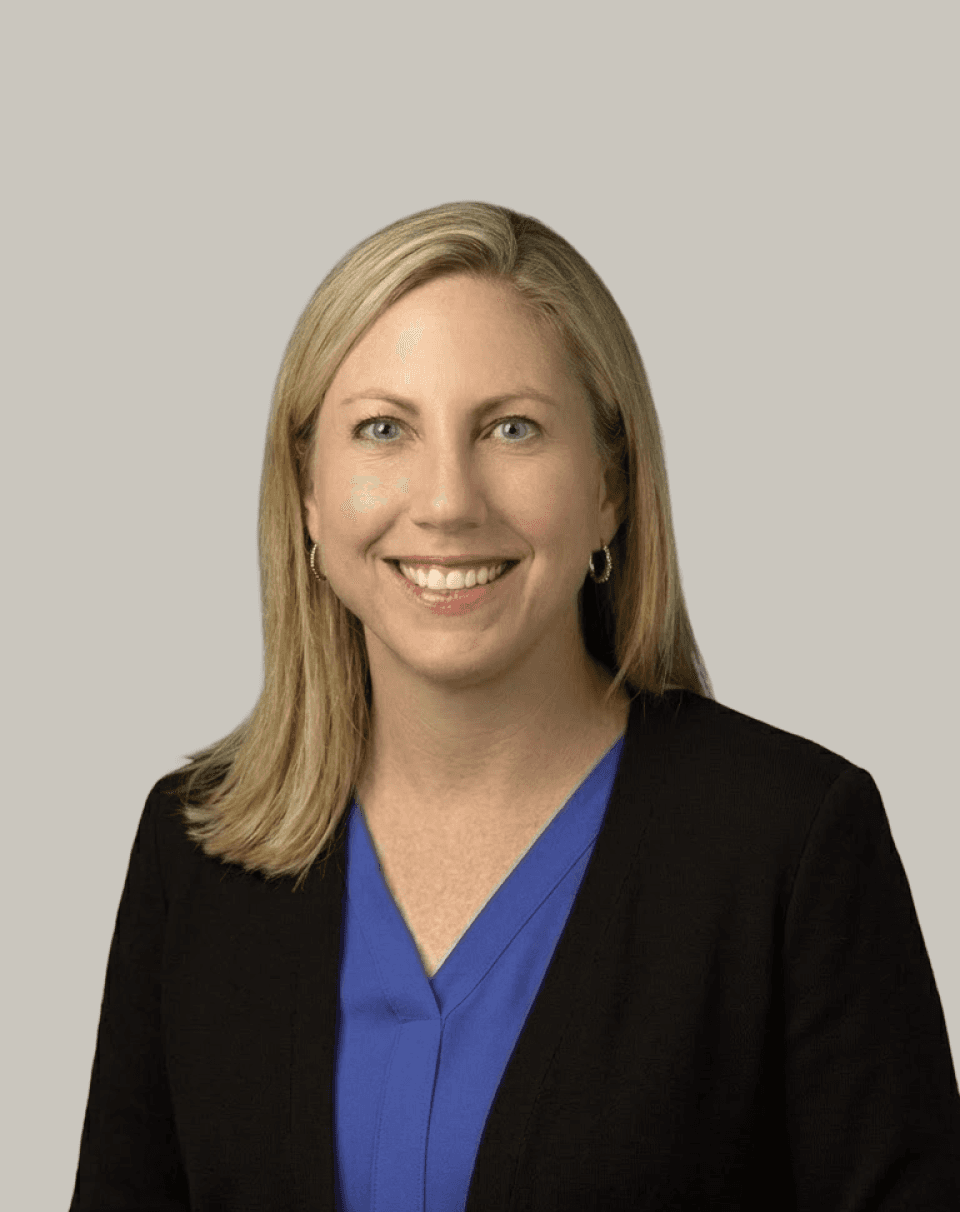
Dr. Carol Tweed
Dr. Carol Tweed
Board Certified MD, Hematology and Medical Oncology, Annapolis, Maryland

Holly Hoefer
Holly Hoefer
VP Patient Engagement, Helios
Clinical Research

Dr. Mike Gibson
MD, PhD, Division of Hematology and Oncology, Vanderbilt-Ingram Cancer Center

Dr. Carol Tweed
Board Certified MD, Hematology and Medical Oncology, Annapolis, Maryland

Holly Hoefer
VP Patient Engagement,
Helios Clinical
ResearchDr. Mike Gibson
MD, PhD, Division of Hematology and Oncology, Vanderbilt-Ingram Cancer Center
Dr. Carol Tweed
Board Certified MD, Hematology and Medical Oncology, Annapolis, Maryland
Holly Hoefer
VP Patient Engagement,
Helios Clinical
ResearchDr. Mike Gibson
MD, PhD, Division of Hematology and Oncology, Vanderbilt-Ingram Cancer Center
Dr. Carol Tweed
Board Certified MD, Hematology and Medical Oncology, Annapolis, Maryland
Holly Hoefer
VP Patient Engagement,
Helios Clinical
ResearchDr. Mike Gibson
MD, PhD, Division of Hematology and Oncology, Vanderbilt-Ingram Cancer Center
Dr. Carol Tweed
Board Certified MD, Hematology and Medical Oncology, Annapolis, Maryland
Holly Hoefer
VP Patient Engagement,
Helios Clinical
Research
Questions about Non-Hodgkin lymphoma clinical trials?
What are the latest clinical trials for non Hodgkin lymphoma?
Latest clinical trial trends in non-Hodgkin lymphoma (NHL):
Most new trials focus on (1) next-generation CAR-T therapies that target multiple antigens to reduce relapse, (2) bispecific T-cell engagers moving into earlier lines of therapy, and (3) post-CAR-T or combination strategies for relapsed/refractory disease. Recent FDA approvals (e.g., epcoritamab combinations and newer CAR-T indications) are also driving a wave of follow-on and sequencing studies, especially in DLBCL, follicular lymphoma, and marginal zone lymphoma.
Sources:
ClinicalTrials.gov (recently posted and recruiting NHL studies, 2024–2025)
FDA press releases on lymphoma drug and CAR-T approvals (2024–2025)
What are the latest clinical trials for non Hodgkin lymphoma?
Latest clinical trial trends in non-Hodgkin lymphoma (NHL):
Most new trials focus on (1) next-generation CAR-T therapies that target multiple antigens to reduce relapse, (2) bispecific T-cell engagers moving into earlier lines of therapy, and (3) post-CAR-T or combination strategies for relapsed/refractory disease. Recent FDA approvals (e.g., epcoritamab combinations and newer CAR-T indications) are also driving a wave of follow-on and sequencing studies, especially in DLBCL, follicular lymphoma, and marginal zone lymphoma.
Sources:
ClinicalTrials.gov (recently posted and recruiting NHL studies, 2024–2025)
FDA press releases on lymphoma drug and CAR-T approvals (2024–2025)
Which companies are leading non Hodgkin lymphoma drug trials?
Companies leading non-Hodgkin lymphoma (NHL) drug trials (2024–2025):
Roche / Genentech – bispecific antibodies (e.g., CD20xCD3), antibody–drug conjugates
AbbVie – BTK inhibitors and combination regimens
Bristol Myers Squibb – CAR-T (liso-cel), immunotherapy combinations
Gilead Sciences / Kite – CAR-T and cellular therapy pipelines
Johnson & Johnson – bispecific T-cell engagers and novel targets
AstraZeneca – T-cell engagers and next-gen antibodies
Sources:
ClinicalTrials.gov (recruiting and recently posted NHL trials, 2024–2025)
FDA oncology drug approval announcements (2024–2025)
Which companies are leading non Hodgkin lymphoma drug trials?
Companies leading non-Hodgkin lymphoma (NHL) drug trials (2024–2025):
Roche / Genentech – bispecific antibodies (e.g., CD20xCD3), antibody–drug conjugates
AbbVie – BTK inhibitors and combination regimens
Bristol Myers Squibb – CAR-T (liso-cel), immunotherapy combinations
Gilead Sciences / Kite – CAR-T and cellular therapy pipelines
Johnson & Johnson – bispecific T-cell engagers and novel targets
AstraZeneca – T-cell engagers and next-gen antibodies
Sources:
ClinicalTrials.gov (recruiting and recently posted NHL trials, 2024–2025)
FDA oncology drug approval announcements (2024–2025)
How likely is non-Hodgkin's lymphoma to return?
How likely non-Hodgkin’s lymphoma (NHL) is to return:
It depends on the subtype and treatment response. Indolent NHL (e.g., follicular lymphoma) commonly relapses over time, though patients may live many years with repeated treatments. Aggressive NHL (e.g., DLBCL) has a lower relapse risk after complete remission, but if it returns, it often does so within the first 2–3 years.
Sources:
American Cancer Society – NHL survival and recurrence
National Cancer Institute – NHL treatment outcomes and relapse patterns
Lymphoma Research Foundation – Disease course by NHL subtype
How likely is non-Hodgkin's lymphoma to return?
How likely non-Hodgkin’s lymphoma (NHL) is to return:
It depends on the subtype and treatment response. Indolent NHL (e.g., follicular lymphoma) commonly relapses over time, though patients may live many years with repeated treatments. Aggressive NHL (e.g., DLBCL) has a lower relapse risk after complete remission, but if it returns, it often does so within the first 2–3 years.
Sources:
American Cancer Society – NHL survival and recurrence
National Cancer Institute – NHL treatment outcomes and relapse patterns
Lymphoma Research Foundation – Disease course by NHL subtype
What is the newest treatment for non-Hodgkin's lymphoma?
Newest treatments for non-Hodgkin’s lymphoma (NHL):
The most recent advances are bispecific T-cell antibodies (off-the-shelf immunotherapies that redirect T cells to kill lymphoma cells) and next-generation CAR-T therapies with expanded indications. Notably, AbbVie’s epcoritamab (CD20xCD3) and Bristol Myers Squibb’s liso-cel (Breyanzi) represent the latest wave shaping care across DLBCL, follicular, and marginal zone lymphoma.
Sources:
FDA oncology drug approval announcements (2024–2025)
ClinicalTrials.gov (recently posted and recruiting NHL studies)
What is the newest treatment for non-Hodgkin's lymphoma?
Newest treatments for non-Hodgkin’s lymphoma (NHL):
The most recent advances are bispecific T-cell antibodies (off-the-shelf immunotherapies that redirect T cells to kill lymphoma cells) and next-generation CAR-T therapies with expanded indications. Notably, AbbVie’s epcoritamab (CD20xCD3) and Bristol Myers Squibb’s liso-cel (Breyanzi) represent the latest wave shaping care across DLBCL, follicular, and marginal zone lymphoma.
Sources:
FDA oncology drug approval announcements (2024–2025)
ClinicalTrials.gov (recently posted and recruiting NHL studies)
Why are so many people getting non-Hodgkin's lymphoma?
Why non-Hodgkin’s lymphoma (NHL) cases are increasing:
The rise is driven by an aging population, better detection and diagnosis, and greater exposure to risk factors such as immune suppression (autoimmune disease, transplant drugs), certain infections, obesity, and environmental exposures. Improved survival from other cancers also means more people live long enough to develop NHL later in life.
Sources:
American Cancer Society – Non-Hodgkin Lymphoma Risk Factors
National Cancer Institute (NCI) – SEER Cancer Statistics
World Health Organization (WHO) – Lymphoma epidemiology and trends
Why are so many people getting non-Hodgkin's lymphoma?
Why non-Hodgkin’s lymphoma (NHL) cases are increasing:
The rise is driven by an aging population, better detection and diagnosis, and greater exposure to risk factors such as immune suppression (autoimmune disease, transplant drugs), certain infections, obesity, and environmental exposures. Improved survival from other cancers also means more people live long enough to develop NHL later in life.
Sources:
American Cancer Society – Non-Hodgkin Lymphoma Risk Factors
National Cancer Institute (NCI) – SEER Cancer Statistics
World Health Organization (WHO) – Lymphoma epidemiology and trends
How North Helps
Highly curated trial matches only
Highly curated trial matches only
Highly curated trial matches only
Most trial finders ask you to do the work of searching and filtering for a match.
Most trial finders ask you to do the work of searching and filtering for a match.
Less jargon, more real talk
Less jargon, more real talk
Less jargon, more real talk
We translate matches from medical-speak into plain English so that you can understand them.
We translate matches from medical-speak into plain English so that you can understand them.
Human introductions to sites
Human introductions to sites
Human introductions to sites
Instead of cold referrals, we make personal introductions to site coordinators near you.
Instead of cold referrals, we make personal introductions to site coordinators near you.

Why consider a trial?

Access new treatments
Access new treatments
Access new treatments
Try promising therapies not yet available outside of the trial.
Try promising therapies not yet available outside of the trial.
Advance cancer research
Advance cancer research
Advance cancer research
Help move science forward for future patients like you.
Help move science forward for future patients like you.
Understand your options
Understand your options
Understand your options
Explore the possibilities before making treatment decisions.
Explore the possibilities before making treatment decisions.
Questions about North
How is North different from other cancer trial finders?
North works with cancer patients to find the best clinical trial options for their needs. You share your medical information, and our team of clinical research experts does the rest: compiling a personalized list of matched trials, translating complex medical jargon into plain language, and providing straightforward analysis of your options. Every interaction is designed to leave you with a clearer picture of what's possible and the tools to evaluate your options and take the next step. We're with you every step of the way.
How is North different from other cancer trial finders?
North works with cancer patients to find the best clinical trial options for their needs. You share your medical information, and our team of clinical research experts does the rest: compiling a personalized list of matched trials, translating complex medical jargon into plain language, and providing straightforward analysis of your options. Every interaction is designed to leave you with a clearer picture of what's possible and the tools to evaluate your options and take the next step. We're with you every step of the way.
How much does North cost to use as a patient?
North is no cost to patients or doctors. Our trial platform is funded in part by trusted cancer centers and sponsors. We're dedicated to matching you with trials that prioritize your needs. Once you've been successfully matched and enrolled in a trial, the study treatment(s) are also provided at no cost to you and you will, in most cases, be reimbursed for study-related expenses.
How much does North cost to use as a patient?
North is no cost to patients or doctors. Our trial platform is funded in part by trusted cancer centers and sponsors. We're dedicated to matching you with trials that prioritize your needs. Once you've been successfully matched and enrolled in a trial, the study treatment(s) are also provided at no cost to you and you will, in most cases, be reimbursed for study-related expenses.
How often is trial information updated on North?
Trials on North are updated every day to make sure you’re seeing studies that are currently enrolling and reflect the latest eligibility criteria from sponsors and sites. Our daily refresh keeps trial details accurate, so you never waste time on studies that have closed or changed.
How often is trial information updated on North?
Trials on North are updated every day to make sure you’re seeing studies that are currently enrolling and reflect the latest eligibility criteria from sponsors and sites. Our daily refresh keeps trial details accurate, so you never waste time on studies that have closed or changed.
What types of trials does North have access to?
North has access to over 7,000 cancer clinical trials actively recruiting across leading research networks and cancer centers in the U.S. This includes studies for both common and rare cancers, such as lung (small cell and non-small cell), breast (HER2-positive, triple-negative, metastatic), kidney (renal cell carcinoma), colorectal, prostate, and other solid tumors.
These trials cover multiple phases—from early-stage studies testing new therapies to large-scale Phase 3 trials comparing the latest immunotherapies, targeted drugs, and combination treatments to standard care. North also connects patients to precision medicine trials, which match treatments based on a tumor’s genetic makeup, helping more people access cutting-edge options tailored to their specific cancer.
What types of trials does North have access to?
North has access to over 7,000 cancer clinical trials actively recruiting across leading research networks and cancer centers in the U.S. This includes studies for both common and rare cancers, such as lung (small cell and non-small cell), breast (HER2-positive, triple-negative, metastatic), kidney (renal cell carcinoma), colorectal, prostate, and other solid tumors.
These trials cover multiple phases—from early-stage studies testing new therapies to large-scale Phase 3 trials comparing the latest immunotherapies, targeted drugs, and combination treatments to standard care. North also connects patients to precision medicine trials, which match treatments based on a tumor’s genetic makeup, helping more people access cutting-edge options tailored to their specific cancer.
Will my information be kept secure and private?
Your privacy and confidentiality are our priority. During your health history intake, we'll ask you about medical history, for example: your cancer diagnosis, any treatment plans or previous treatments, and whether you have any specific biomarkers we should know about. Your personal information will be protected in compliance with relevant laws, and in a manner explained in the informed consent document. We'll never share your information with clinical trial sites or sponsors without your consent.
Will my information be kept secure and private?
Your privacy and confidentiality are our priority. During your health history intake, we'll ask you about medical history, for example: your cancer diagnosis, any treatment plans or previous treatments, and whether you have any specific biomarkers we should know about. Your personal information will be protected in compliance with relevant laws, and in a manner explained in the informed consent document. We'll never share your information with clinical trial sites or sponsors without your consent.