Let’s find a melanoma clinical trial for you
Let’s find a melanoma clinical trial for you
North is the fastest way to discover and match with one of the 299 melanoma trials open in the U.S.
North is the fastest way to discover and match with one of the 299 melanoma trials open in the U.S.

How North Works
1
5-10 minute health
history intake
5-10 minute health
history intake
2
We’ll send you personalized match results in 1-2 days
We’ll send you personalized match results in 1-2 days
3
We'll connect you with clinical trial coordinators
We'll connect you with clinical trial coordinators
1
5-10 minute health
history intake
2
We’ll send you personalized
match results in 1-2 days
3
We'll connect you with
clinical trial coordinators
Take the next step
Explore trials near you
0
0
Melanoma trials now enrolling in the U.S.
0
0
Metastatic melanoma U.S. clinical trials
0
0
Stage IV melanoma U.S. clinical trials
North's expert research advisors

Dr. Mike Gibson
Dr. Mike Gibson
MD, PhD, Division of Hematology and
Oncology, Vanderbilt-Ingram Cancer Center
MD, PhD, Division of Hematology and Oncology, Vanderbilt-Ingram Cancer Center
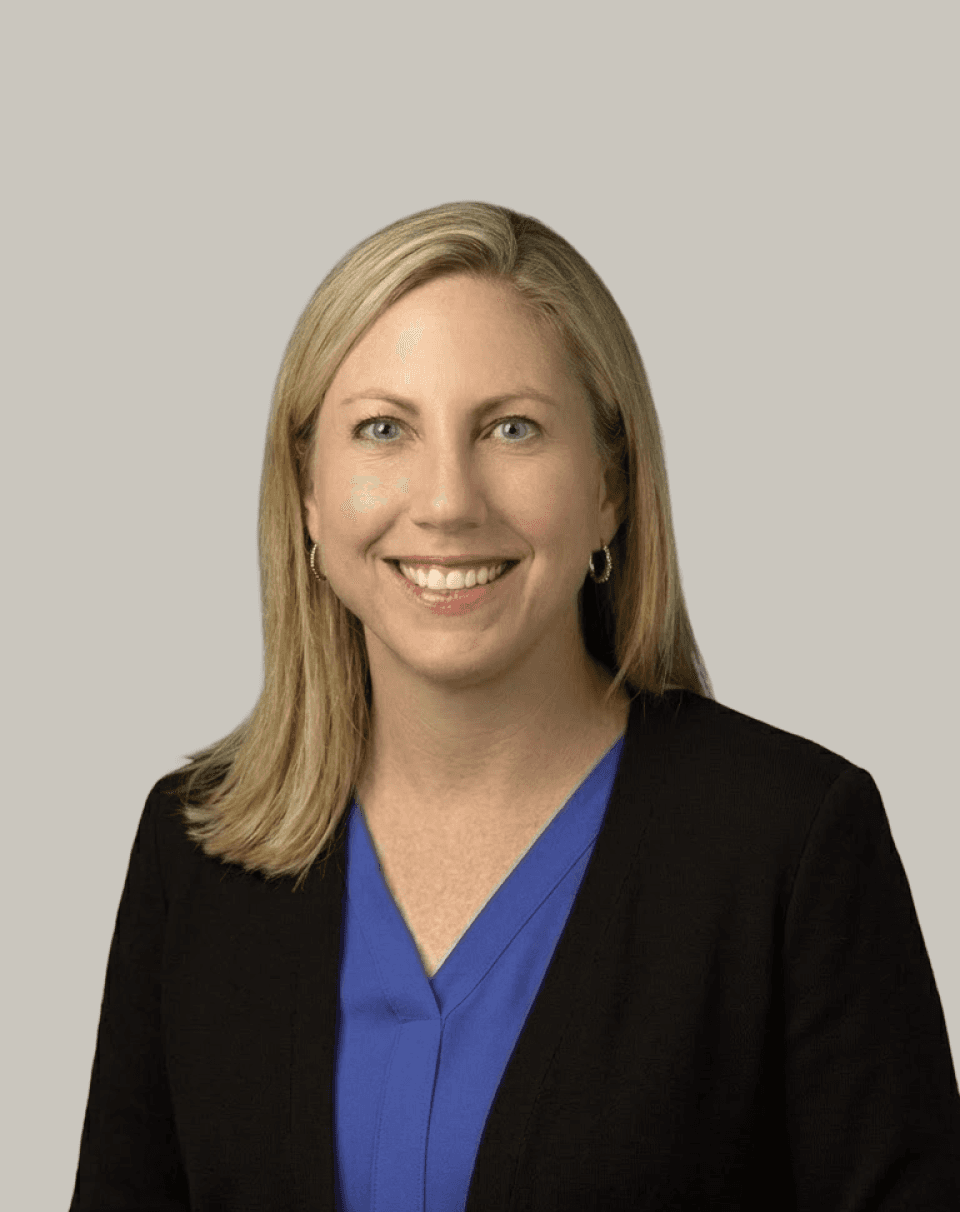
Dr. Carol Tweed
Dr. Carol Tweed
Board Certified MD, Hematology and Medical Oncology, Annapolis, Maryland
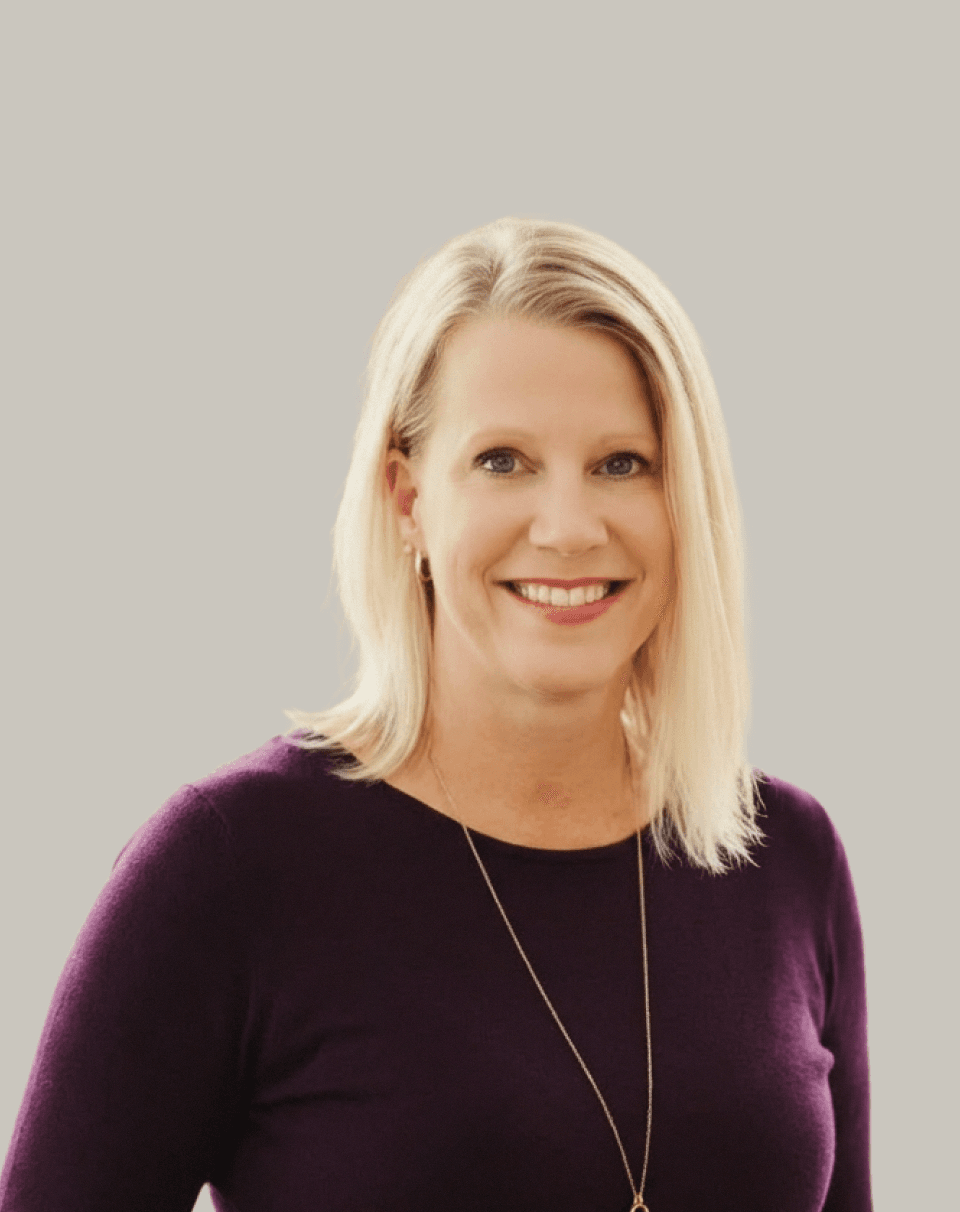
Holly Hoefer
Holly Hoefer
VP Patient Engagement, Helios
Clinical Research

Dr. Mike Gibson
MD, PhD, Division of Hematology and Oncology, Vanderbilt-Ingram Cancer Center

Dr. Carol Tweed
Board Certified MD, Hematology and Medical Oncology, Annapolis, Maryland

Holly Hoefer
VP Patient Engagement,
Helios Clinical
ResearchDr. Mike Gibson
MD, PhD, Division of Hematology and Oncology, Vanderbilt-Ingram Cancer Center
Dr. Carol Tweed
Board Certified MD, Hematology and Medical Oncology, Annapolis, Maryland
Holly Hoefer
VP Patient Engagement,
Helios Clinical
ResearchDr. Mike Gibson
MD, PhD, Division of Hematology and Oncology, Vanderbilt-Ingram Cancer Center
Dr. Carol Tweed
Board Certified MD, Hematology and Medical Oncology, Annapolis, Maryland
Holly Hoefer
VP Patient Engagement,
Helios Clinical
ResearchDr. Mike Gibson
MD, PhD, Division of Hematology and Oncology, Vanderbilt-Ingram Cancer Center
Dr. Carol Tweed
Board Certified MD, Hematology and Medical Oncology, Annapolis, Maryland
Holly Hoefer
VP Patient Engagement,
Helios Clinical
Research
Questions about malignant melanoma clinical trials?
How close are we to curing melanoma?
We’re much closer than we were a decade ago, but melanoma is not fully curable in all stages yet. Here’s the simple picture:
Where we are close
Early-stage melanoma (caught before it spreads) is essentially curable with surgery → cure rates >95–99%.
Many cases of advanced melanoma can now be controlled long-term with immunotherapy (Keytruda, Opdivo, Yervoy) or targeted therapy (BRAF/MEK inhibitors).
A subset of metastatic patients achieve complete response that lasts for years — effectively a “functional cure.”
Where we are not yet close
Some tumors resist or stop responding to immunotherapy.
Brain metastases remain a major challenge.
No treatment works for all aggressive melanomas.
Simple takeaway
We haven’t cured melanoma universally, but for many patients — even some with metastatic disease — today’s treatments can eliminate or control the cancer long-term. Early detection remains the closest thing to a true cure.
How close are we to curing melanoma?
We’re much closer than we were a decade ago, but melanoma is not fully curable in all stages yet. Here’s the simple picture:
Where we are close
Early-stage melanoma (caught before it spreads) is essentially curable with surgery → cure rates >95–99%.
Many cases of advanced melanoma can now be controlled long-term with immunotherapy (Keytruda, Opdivo, Yervoy) or targeted therapy (BRAF/MEK inhibitors).
A subset of metastatic patients achieve complete response that lasts for years — effectively a “functional cure.”
Where we are not yet close
Some tumors resist or stop responding to immunotherapy.
Brain metastases remain a major challenge.
No treatment works for all aggressive melanomas.
Simple takeaway
We haven’t cured melanoma universally, but for many patients — even some with metastatic disease — today’s treatments can eliminate or control the cancer long-term. Early detection remains the closest thing to a true cure.
What are some new treatments for melanoma in 2025?
Here are key new and emerging melanoma treatments in 2025 (brief, high-value):
1. Personalized mRNA melanoma vaccines
Moderna + Merck mRNA-4157 (V940) combined with Keytruda continues to show strong reduction in recurrence for high-risk melanoma.
Likely to become a major new standard.
2. Next-generation immunotherapy combinations
PD-1 + LAG-3 inhibitors (e.g., nivolumab + relatlimab) expanding into earlier-stage and adjuvant settings.
Triplet immunotherapy regimens in trials for metastatic disease.
3. Adoptive cell therapies
Tumor-infiltrating lymphocyte (TIL) therapy (like lifileucel, approved in 2024) gaining wider use and updated protocols that improve durability.
4. New targeted therapy strategies
Improved BRAF/MEK inhibitors with longer durability.
Early-stage agents targeting NRAS, KIT, and resistance pathways.
5. Personalized neoantigen vaccines
Multiple Phase 1/2 trials show strong immune activation and promising early recurrence-free results.
If you want, I can make a very short list, a patient-friendly version, or a pipeline list of drugs in Phase 3.
What are some new treatments for melanoma in 2025?
Here are key new and emerging melanoma treatments in 2025 (brief, high-value):
1. Personalized mRNA melanoma vaccines
Moderna + Merck mRNA-4157 (V940) combined with Keytruda continues to show strong reduction in recurrence for high-risk melanoma.
Likely to become a major new standard.
2. Next-generation immunotherapy combinations
PD-1 + LAG-3 inhibitors (e.g., nivolumab + relatlimab) expanding into earlier-stage and adjuvant settings.
Triplet immunotherapy regimens in trials for metastatic disease.
3. Adoptive cell therapies
Tumor-infiltrating lymphocyte (TIL) therapy (like lifileucel, approved in 2024) gaining wider use and updated protocols that improve durability.
4. New targeted therapy strategies
Improved BRAF/MEK inhibitors with longer durability.
Early-stage agents targeting NRAS, KIT, and resistance pathways.
5. Personalized neoantigen vaccines
Multiple Phase 1/2 trials show strong immune activation and promising early recurrence-free results.
If you want, I can make a very short list, a patient-friendly version, or a pipeline list of drugs in Phase 3.
What are the 5 C's of melanoma?
There is no medically standard “5 C’s of melanoma.”
The only universally accepted system is the ABCDE rule (Asymmetry, Border, Color, Diameter, Evolving).
However, some public-facing education materials loosely use a “5 C’s” shorthand, usually referring to melanoma warning signs. The most common version is:
The informal “5 C’s”:
Change — any mole that changes in size, shape, or behavior
Color — uneven or multiple colors
Contour — irregular, jagged, or blurred edges
Circumference — growing larger
Composition — new symptoms like itching, bleeding, crusting
Important:
These are not official clinical criteria — just a simplified way some educators summarize melanoma warning signs. Dermatologists still rely on ABCDE.
What are the 5 C's of melanoma?
There is no medically standard “5 C’s of melanoma.”
The only universally accepted system is the ABCDE rule (Asymmetry, Border, Color, Diameter, Evolving).
However, some public-facing education materials loosely use a “5 C’s” shorthand, usually referring to melanoma warning signs. The most common version is:
The informal “5 C’s”:
Change — any mole that changes in size, shape, or behavior
Color — uneven or multiple colors
Contour — irregular, jagged, or blurred edges
Circumference — growing larger
Composition — new symptoms like itching, bleeding, crusting
Important:
These are not official clinical criteria — just a simplified way some educators summarize melanoma warning signs. Dermatologists still rely on ABCDE.
What are the best melanoma treatment centers in the U.S.?
Top 5 Melanoma Hospitals in the U.S.
Memorial Sloan Kettering Cancer Center (MSKCC) — New York, NY
World leader in melanoma surgery, immunotherapy, and clinical trials.MD Anderson Cancer Center — Houston, TX
High-volume melanoma program; pioneers in immunotherapy and targeted therapy.Dana-Farber / Brigham and Women’s Cancer Center — Boston, MA
National leader in melanoma genetics, targeted therapy, and combination treatments.UCLA Jonsson Comprehensive Cancer Center — Los Angeles, CA
Cutting-edge melanoma research, especially in immunotherapy and personalized vaccines.UCSF Helen Diller Family Comprehensive Cancer Center — San Francisco, CA
Strong melanoma surgery program and access to innovative clinical trials.
What are the best melanoma treatment centers in the U.S.?
Top 5 Melanoma Hospitals in the U.S.
Memorial Sloan Kettering Cancer Center (MSKCC) — New York, NY
World leader in melanoma surgery, immunotherapy, and clinical trials.MD Anderson Cancer Center — Houston, TX
High-volume melanoma program; pioneers in immunotherapy and targeted therapy.Dana-Farber / Brigham and Women’s Cancer Center — Boston, MA
National leader in melanoma genetics, targeted therapy, and combination treatments.UCLA Jonsson Comprehensive Cancer Center — Los Angeles, CA
Cutting-edge melanoma research, especially in immunotherapy and personalized vaccines.UCSF Helen Diller Family Comprehensive Cancer Center — San Francisco, CA
Strong melanoma surgery program and access to innovative clinical trials.
What is the melanoma capital of the world?
The “melanoma capital of the world” is Queensland, Australia.
Queensland has the highest melanoma rates globally, driven by intense UV exposure, outdoor lifestyle, and a largely fair-skinned population.
What is the melanoma capital of the world?
The “melanoma capital of the world” is Queensland, Australia.
Queensland has the highest melanoma rates globally, driven by intense UV exposure, outdoor lifestyle, and a largely fair-skinned population.
How North Helps
Highly curated trial matches only
Highly curated trial matches only
Highly curated trial matches only
Most trial finders ask you to do the work of searching and filtering for a match.
Most trial finders ask you to do the work of searching and filtering for a match.
Less jargon, more real talk
Less jargon, more real talk
Less jargon, more real talk
We translate matches from medical-speak into plain English so that you can understand them.
We translate matches from medical-speak into plain English so that you can understand them.
Human introductions to sites
Human introductions to sites
Human introductions to sites
Instead of cold referrals, we make personal introductions to site coordinators near you.
Instead of cold referrals, we make personal introductions to site coordinators near you.

Why consider a trial?
Access new treatments
Access new treatments
Access new treatments
Try promising therapies not yet available outside of the trial.
Try promising therapies not yet available outside of the trial.
Advance cancer research
Advance cancer research
Advance cancer research
Help move science forward for future patients like you.
Help move science forward for future patients like you.
Understand your options
Understand your options
Understand your options
Explore the possibilities before making treatment decisions.
Explore the possibilities before making treatment decisions.
Questions about North
How is North different from other cancer trial finders?
North works with cancer patients to find the best clinical trial options for their needs. You share your medical information, and our team of clinical research experts does the rest: compiling a personalized list of matched trials, translating complex medical jargon into plain language, and providing straightforward analysis of your options. Every interaction is designed to leave you with a clearer picture of what's possible and the tools to evaluate your options and take the next step. We're with you every step of the way.
How is North different from other cancer trial finders?
North works with cancer patients to find the best clinical trial options for their needs. You share your medical information, and our team of clinical research experts does the rest: compiling a personalized list of matched trials, translating complex medical jargon into plain language, and providing straightforward analysis of your options. Every interaction is designed to leave you with a clearer picture of what's possible and the tools to evaluate your options and take the next step. We're with you every step of the way.
How much does North cost to use as a patient?
North is no cost to patients or doctors. Our trial platform is funded in part by trusted cancer centers and sponsors. We're dedicated to matching you with trials that prioritize your needs. Once you've been successfully matched and enrolled in a trial, the study treatment(s) are also provided at no cost to you and you will, in most cases, be reimbursed for study-related expenses.
How much does North cost to use as a patient?
North is no cost to patients or doctors. Our trial platform is funded in part by trusted cancer centers and sponsors. We're dedicated to matching you with trials that prioritize your needs. Once you've been successfully matched and enrolled in a trial, the study treatment(s) are also provided at no cost to you and you will, in most cases, be reimbursed for study-related expenses.
How often is trial information updated on North?
Trials on North are updated every day to make sure you’re seeing studies that are currently enrolling and reflect the latest eligibility criteria from sponsors and sites. Our daily refresh keeps trial details accurate, so you never waste time on studies that have closed or changed.
How often is trial information updated on North?
Trials on North are updated every day to make sure you’re seeing studies that are currently enrolling and reflect the latest eligibility criteria from sponsors and sites. Our daily refresh keeps trial details accurate, so you never waste time on studies that have closed or changed.
What types of trials does North have access to?
North has access to over 7,000 cancer clinical trials actively recruiting across leading research networks and cancer centers in the U.S. This includes studies for both common and rare cancers, such as lung (small cell and non-small cell), breast (HER2-positive, triple-negative, metastatic), kidney (renal cell carcinoma), colorectal, prostate, and other solid tumors.
These trials cover multiple phases—from early-stage studies testing new therapies to large-scale Phase 3 trials comparing the latest immunotherapies, targeted drugs, and combination treatments to standard care. North also connects patients to precision medicine trials, which match treatments based on a tumor’s genetic makeup, helping more people access cutting-edge options tailored to their specific cancer.
What types of trials does North have access to?
North has access to over 7,000 cancer clinical trials actively recruiting across leading research networks and cancer centers in the U.S. This includes studies for both common and rare cancers, such as lung (small cell and non-small cell), breast (HER2-positive, triple-negative, metastatic), kidney (renal cell carcinoma), colorectal, prostate, and other solid tumors.
These trials cover multiple phases—from early-stage studies testing new therapies to large-scale Phase 3 trials comparing the latest immunotherapies, targeted drugs, and combination treatments to standard care. North also connects patients to precision medicine trials, which match treatments based on a tumor’s genetic makeup, helping more people access cutting-edge options tailored to their specific cancer.
Will my information be kept secure and private?
Your privacy and confidentiality are our priority. During your health history intake, we'll ask you about medical history, for example: your cancer diagnosis, any treatment plans or previous treatments, and whether you have any specific biomarkers we should know about. Your personal information will be protected in compliance with relevant laws, and in a manner explained in the informed consent document. We'll never share your information with clinical trial sites or sponsors without your consent.
Will my information be kept secure and private?
Your privacy and confidentiality are our priority. During your health history intake, we'll ask you about medical history, for example: your cancer diagnosis, any treatment plans or previous treatments, and whether you have any specific biomarkers we should know about. Your personal information will be protected in compliance with relevant laws, and in a manner explained in the informed consent document. We'll never share your information with clinical trial sites or sponsors without your consent.