Let’s find a leukemia trial for you
Let’s find a leukemia trial for you
North is the fastest way to discover and match with one of the 673 leukemia trials open in the U.S.
North is the fastest way to discover and match with one of the 673 leukemia trials open in the U.S.

How North Works
1
5-10 minute health
history intake
5-10 minute health
history intake
2
We’ll send you personalized match results in 1-2 days
We’ll send you personalized match results in 1-2 days
3
We'll connect you with clinical trial coordinators
We'll connect you with clinical trial coordinators
1
5-10 minute health
history intake
2
We’ll send you personalized
match results in 1-2 days
3
We'll connect you with
clinical trial coordinators
Take the next step
Explore trials near you
0
0
Leukemia trials active in the U.S.
0
0
Acute myeloid leukemia trials in the U.S.
0
0
Acute lymphoblastic leukemia trials in the U.S.
North's expert research advisors

Dr. Mike Gibson
Dr. Mike Gibson
MD, PhD, Division of Hematology and
Oncology, Vanderbilt-Ingram Cancer Center
MD, PhD, Division of Hematology and Oncology, Vanderbilt-Ingram Cancer Center
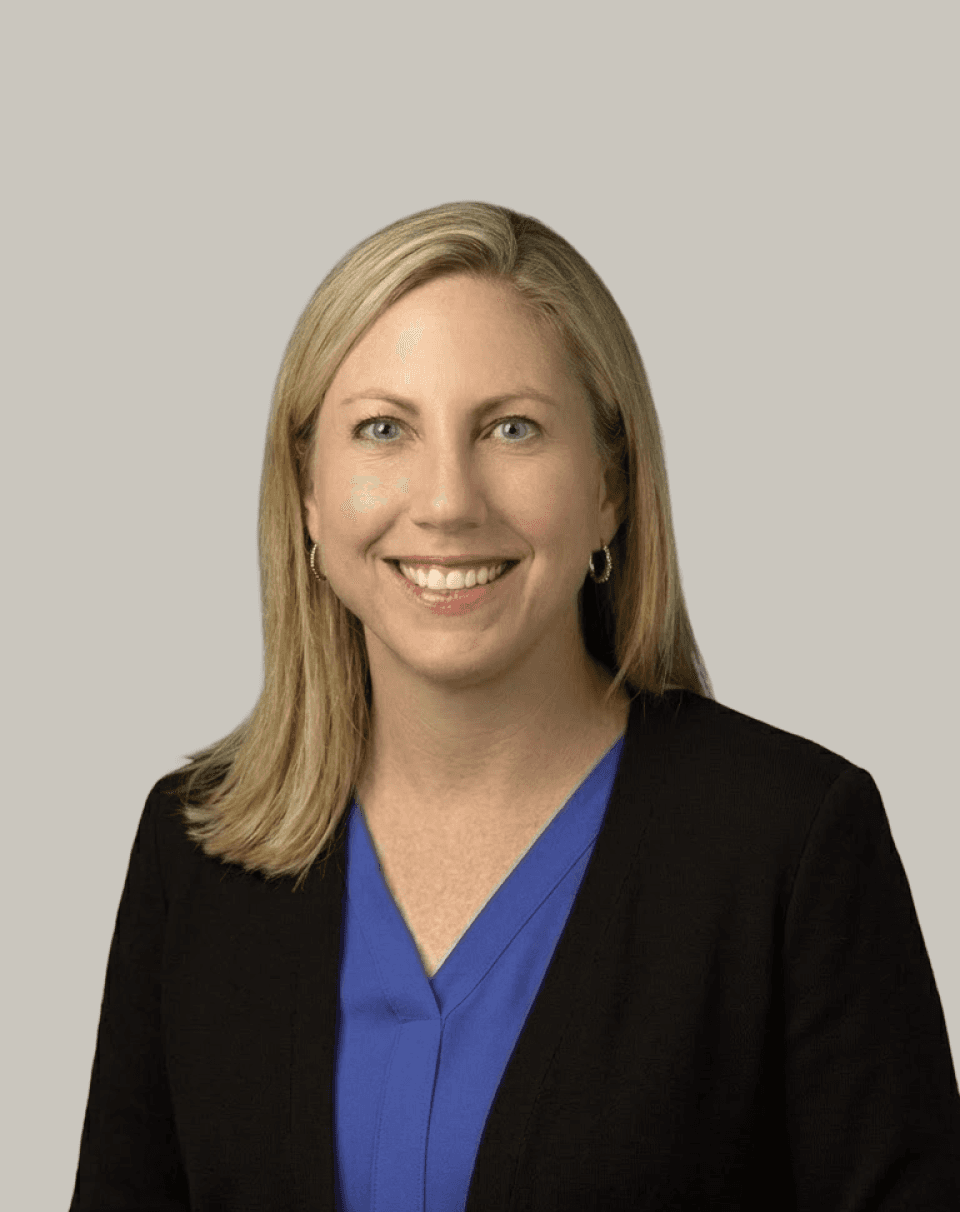
Dr. Carol Tweed
Dr. Carol Tweed
Board Certified MD, Hematology and Medical Oncology, Annapolis, Maryland

Holly Hoefer
Holly Hoefer
VP Patient Engagement, Helios
Clinical Research

Dr. Mike Gibson
MD, PhD, Division of Hematology and Oncology, Vanderbilt-Ingram Cancer Center

Dr. Carol Tweed
Board Certified MD, Hematology and Medical Oncology, Annapolis, Maryland

Holly Hoefer
VP Patient Engagement,
Helios Clinical
ResearchDr. Mike Gibson
MD, PhD, Division of Hematology and Oncology, Vanderbilt-Ingram Cancer Center
Dr. Carol Tweed
Board Certified MD, Hematology and Medical Oncology, Annapolis, Maryland
Holly Hoefer
VP Patient Engagement,
Helios Clinical
ResearchDr. Mike Gibson
MD, PhD, Division of Hematology and Oncology, Vanderbilt-Ingram Cancer Center
Dr. Carol Tweed
Board Certified MD, Hematology and Medical Oncology, Annapolis, Maryland
Holly Hoefer
VP Patient Engagement,
Helios Clinical
ResearchDr. Mike Gibson
MD, PhD, Division of Hematology and Oncology, Vanderbilt-Ingram Cancer Center
Dr. Carol Tweed
Board Certified MD, Hematology and Medical Oncology, Annapolis, Maryland
Holly Hoefer
VP Patient Engagement,
Helios Clinical
Research
Questions about leukemia clinical trials?
Are there clinical trials for relapsed or refractory leukemia?
Yes — relapsed and refractory leukemia is one of the most active areas of leukemia research, and many trials are specifically designed for patients whose disease has come back or stopped responding to prior treatment. For relapsed AML, current studies include menin inhibitors for KMT2A-rearranged or NPM1-mutated disease, second-generation FLT3 and IDH inhibitors, novel bispecific antibodies, and combinations built around venetoclax. For relapsed adult ALL, brexucabtagene autoleucel (Tecartus) is FDA-approved CAR-T therapy, and trials are studying earlier use of CAR-T, next-generation CAR products, and bispecifics like blinatumomab in new combinations. For relapsed CLL, pirtobrutinib (Jaypirca) and other non-covalent BTK inhibitors are in active trials for patients who have progressed on first-generation BTK inhibitors. Comprehensive molecular testing at the time of relapse is essential — many of these trials are mutation-specific, and the right testing can open doors that weren't available before.
Are there clinical trials for relapsed or refractory leukemia?
Yes — relapsed and refractory leukemia is one of the most active areas of leukemia research, and many trials are specifically designed for patients whose disease has come back or stopped responding to prior treatment. For relapsed AML, current studies include menin inhibitors for KMT2A-rearranged or NPM1-mutated disease, second-generation FLT3 and IDH inhibitors, novel bispecific antibodies, and combinations built around venetoclax. For relapsed adult ALL, brexucabtagene autoleucel (Tecartus) is FDA-approved CAR-T therapy, and trials are studying earlier use of CAR-T, next-generation CAR products, and bispecifics like blinatumomab in new combinations. For relapsed CLL, pirtobrutinib (Jaypirca) and other non-covalent BTK inhibitors are in active trials for patients who have progressed on first-generation BTK inhibitors. Comprehensive molecular testing at the time of relapse is essential — many of these trials are mutation-specific, and the right testing can open doors that weren't available before.
Does insurance cover the cost of a leukemia clinical trial?
In most cases, yes — federal law (the Affordable Care Act, since 2014) requires most health plans to cover the routine medical costs of clinical trials for life-threatening conditions, which includes leukemia. Routine costs include things like office visits, standard lab work, imaging, and hospital stays you would have needed even outside the trial; these are billed to your insurance as they would be in standard care. The trial sponsor typically covers the experimental drug itself and any tests required only for the study (extra biopsies, research-only blood draws, sponsor-required scans). Medicare and Medicaid both cover routine trial costs as well. A few exceptions exist — small-group plans that haven't changed since before 2014 may be grandfathered out, and some plans require pre-authorization — so the safest move is to ask the trial coordinator for a written budget showing what the sponsor covers versus what will be billed to your insurance, and to confirm coverage with your insurer before enrolling.
Does insurance cover the cost of a leukemia clinical trial?
In most cases, yes — federal law (the Affordable Care Act, since 2014) requires most health plans to cover the routine medical costs of clinical trials for life-threatening conditions, which includes leukemia. Routine costs include things like office visits, standard lab work, imaging, and hospital stays you would have needed even outside the trial; these are billed to your insurance as they would be in standard care. The trial sponsor typically covers the experimental drug itself and any tests required only for the study (extra biopsies, research-only blood draws, sponsor-required scans). Medicare and Medicaid both cover routine trial costs as well. A few exceptions exist — small-group plans that haven't changed since before 2014 may be grandfathered out, and some plans require pre-authorization — so the safest move is to ask the trial coordinator for a written budget showing what the sponsor covers versus what will be billed to your insurance, and to confirm coverage with your insurer before enrolling.
How can I find a leukemia clinical trial near me?
There are about 673 leukemia trials actively recruiting in the United States today, with the largest share in AML (299), ALL (214), and CLL (165). The right one for you depends on your specific subtype, your genetic and molecular markers (FLT3, IDH1/2, BCR-ABL, TP53, and 17p deletion are the most actionable), what treatments you've already had, and how far you can reasonably travel. ClinicalTrials.gov lists every study but is built for clinicians. North Trials matches you to current leukemia trials based on your diagnosis and location, and your hematologist or the nearest NCI-designated cancer center is also a strong starting point — academic centers typically run more trials than community practices, particularly for AML and acute leukemias where time-to-enrollment can matter clinically.
How can I find a leukemia clinical trial near me?
There are about 673 leukemia trials actively recruiting in the United States today, with the largest share in AML (299), ALL (214), and CLL (165). The right one for you depends on your specific subtype, your genetic and molecular markers (FLT3, IDH1/2, BCR-ABL, TP53, and 17p deletion are the most actionable), what treatments you've already had, and how far you can reasonably travel. ClinicalTrials.gov lists every study but is built for clinicians. North Trials matches you to current leukemia trials based on your diagnosis and location, and your hematologist or the nearest NCI-designated cancer center is also a strong starting point — academic centers typically run more trials than community practices, particularly for AML and acute leukemias where time-to-enrollment can matter clinically.
How is a leukemia clinical trial different from standard treatment?
Clinical trials test new approaches that aren't yet FDA-approved but have shown enough promise in earlier studies to warrant testing in patients. The most common misconception is that "trial" means "experimental and riskier than standard care" — in reality, most leukemia trials either add the new agent to current standard treatment or compare it head-to-head against the best available standard, so you are not being denied established care. Trials also typically include more intensive monitoring than routine treatment: more frequent blood work, more frequent scans or bone marrow assessments, and closer follow-up with the trial team. The trade-off is more clinic time and the possibility of side effects from a drug whose long-term profile is still being characterized. For many patients with leukemia, particularly those with high-risk molecular features or relapsed disease, a trial offers access to therapies that may be the next standard of care months or years before they're widely available.
How is a leukemia clinical trial different from standard treatment?
Clinical trials test new approaches that aren't yet FDA-approved but have shown enough promise in earlier studies to warrant testing in patients. The most common misconception is that "trial" means "experimental and riskier than standard care" — in reality, most leukemia trials either add the new agent to current standard treatment or compare it head-to-head against the best available standard, so you are not being denied established care. Trials also typically include more intensive monitoring than routine treatment: more frequent blood work, more frequent scans or bone marrow assessments, and closer follow-up with the trial team. The trade-off is more clinic time and the possibility of side effects from a drug whose long-term profile is still being characterized. For many patients with leukemia, particularly those with high-risk molecular features or relapsed disease, a trial offers access to therapies that may be the next standard of care months or years before they're widely available.
What are the eligibility criteria for leukemia clinical trials?
Eligibility varies trial by trial, but most leukemia studies look at the same core factors: your specific leukemia subtype (AML, ALL, CLL, CML, or rarer types), your age, what prior treatments you've received and how recently, your overall health and performance status, your organ function (blood counts, kidneys, liver, heart), and your tumor's cytogenetic and molecular profile. For acute leukemias in particular, markers like FLT3, IDH1, IDH2, NPM1, and TP53 mutations often determine which targeted-therapy trials you qualify for, and BCR-ABL status is central for CML and some ALL studies. Molecular testing is now standard at diagnosis; if you haven't had it, ask your hematologist about it before searching for trials, because many of the most promising studies are mutation-specific. Not qualifying for one trial doesn't mean none are open to you — a thorough search across multiple sites usually surfaces several options.
What are the eligibility criteria for leukemia clinical trials?
Eligibility varies trial by trial, but most leukemia studies look at the same core factors: your specific leukemia subtype (AML, ALL, CLL, CML, or rarer types), your age, what prior treatments you've received and how recently, your overall health and performance status, your organ function (blood counts, kidneys, liver, heart), and your tumor's cytogenetic and molecular profile. For acute leukemias in particular, markers like FLT3, IDH1, IDH2, NPM1, and TP53 mutations often determine which targeted-therapy trials you qualify for, and BCR-ABL status is central for CML and some ALL studies. Molecular testing is now standard at diagnosis; if you haven't had it, ask your hematologist about it before searching for trials, because many of the most promising studies are mutation-specific. Not qualifying for one trial doesn't mean none are open to you — a thorough search across multiple sites usually surfaces several options.
How North Helps
Highly curated trial matches only
Highly curated trial matches only
Highly curated trial matches only
Most trial finders ask you to do the work of searching and filtering for a match.
Most trial finders ask you to do the work of searching and filtering for a match.
Less jargon, more real talk
Less jargon, more real talk
Less jargon, more real talk
We translate matches from medical-speak into plain English so that you can understand them.
We translate matches from medical-speak into plain English so that you can understand them.
Human introductions to sites
Human introductions to sites
Human introductions to sites
Instead of cold referrals, we make personal introductions to site coordinators near you.
Instead of cold referrals, we make personal introductions to site coordinators near you.

Why consider a trial?
Access new treatments
Access new treatments
Access new treatments
Try promising therapies not yet available outside of the trial.
Try promising therapies not yet available outside of the trial.
Advance cancer research
Advance cancer research
Advance cancer research
Help move science forward for future patients like you.
Help move science forward for future patients like you.
Understand your options
Understand your options
Understand your options
Explore the possibilities before making treatment decisions.
Explore the possibilities before making treatment decisions.
Questions about North
How is North different from other cancer trial finders?
North works with cancer patients to find the best clinical trial options for their needs. You share your medical information, and our team of clinical research experts does the rest: compiling a personalized list of matched trials, translating complex medical jargon into plain language, and providing straightforward analysis of your options. Every interaction is designed to leave you with a clearer picture of what's possible and the tools to evaluate your options and take the next step. We're with you every step of the way.
How is North different from other cancer trial finders?
North works with cancer patients to find the best clinical trial options for their needs. You share your medical information, and our team of clinical research experts does the rest: compiling a personalized list of matched trials, translating complex medical jargon into plain language, and providing straightforward analysis of your options. Every interaction is designed to leave you with a clearer picture of what's possible and the tools to evaluate your options and take the next step. We're with you every step of the way.
How much does North cost to use as a patient?
North is no cost to patients or doctors. Our trial platform is funded in part by trusted cancer centers and sponsors. We're dedicated to matching you with trials that prioritize your needs. Once you've been successfully matched and enrolled in a trial, the study treatment(s) are also provided at no cost to you and you will, in most cases, be reimbursed for study-related expenses.
How much does North cost to use as a patient?
North is no cost to patients or doctors. Our trial platform is funded in part by trusted cancer centers and sponsors. We're dedicated to matching you with trials that prioritize your needs. Once you've been successfully matched and enrolled in a trial, the study treatment(s) are also provided at no cost to you and you will, in most cases, be reimbursed for study-related expenses.
How often is trial information updated on North?
Trials on North are updated every day to make sure you’re seeing studies that are currently enrolling and reflect the latest eligibility criteria from sponsors and sites. Our daily refresh keeps trial details accurate, so you never waste time on studies that have closed or changed.
How often is trial information updated on North?
Trials on North are updated every day to make sure you’re seeing studies that are currently enrolling and reflect the latest eligibility criteria from sponsors and sites. Our daily refresh keeps trial details accurate, so you never waste time on studies that have closed or changed.
What types of trials does North have access to?
North has access to over 7,000 cancer clinical trials actively recruiting across leading research networks and cancer centers in the U.S. This includes studies for both common and rare cancers, such as lung (small cell and non-small cell), breast (HER2-positive, triple-negative, metastatic), kidney (renal cell carcinoma), colorectal, prostate, and other solid tumors.
These trials cover multiple phases—from early-stage studies testing new therapies to large-scale Phase 3 trials comparing the latest immunotherapies, targeted drugs, and combination treatments to standard care. North also connects patients to precision medicine trials, which match treatments based on a tumor’s genetic makeup, helping more people access cutting-edge options tailored to their specific cancer.
What types of trials does North have access to?
North has access to over 7,000 cancer clinical trials actively recruiting across leading research networks and cancer centers in the U.S. This includes studies for both common and rare cancers, such as lung (small cell and non-small cell), breast (HER2-positive, triple-negative, metastatic), kidney (renal cell carcinoma), colorectal, prostate, and other solid tumors.
These trials cover multiple phases—from early-stage studies testing new therapies to large-scale Phase 3 trials comparing the latest immunotherapies, targeted drugs, and combination treatments to standard care. North also connects patients to precision medicine trials, which match treatments based on a tumor’s genetic makeup, helping more people access cutting-edge options tailored to their specific cancer.
Will my information be kept secure and private?
Your privacy and confidentiality are our priority. During your health history intake, we'll ask you about medical history, for example: your cancer diagnosis, any treatment plans or previous treatments, and whether you have any specific biomarkers we should know about. Your personal information will be protected in compliance with relevant laws, and in a manner explained in the informed consent document. We'll never share your information with clinical trial sites or sponsors without your consent.
Will my information be kept secure and private?
Your privacy and confidentiality are our priority. During your health history intake, we'll ask you about medical history, for example: your cancer diagnosis, any treatment plans or previous treatments, and whether you have any specific biomarkers we should know about. Your personal information will be protected in compliance with relevant laws, and in a manner explained in the informed consent document. We'll never share your information with clinical trial sites or sponsors without your consent.